Understanding Wild Camping in Ireland
Wild camping isn't something you can just do anywhere in Ireland. The legal situation's a bit complicated, and it's crucial to understand the rules before you pitch a tent. Unlike some European countries where wild camping's widely accepted, Ireland has stricter guidelines that vary by region.
Here's what you need to know: wild camping on private land without permission is trespassing. But if you're on public land or have explicit permission from landowners, you're generally okay. That said, you'll want to be respectful and follow Leave No Trace principles to maintain good relationships with the land.
Key Legal Points
- Private land: Always get permission first
- Public land: Check local regulations and restrictions
- National parks: Many have specific wild camping bans
- Beach camping: Generally allowed below high-water mark
- State forests: Camping usually restricted to designated sites
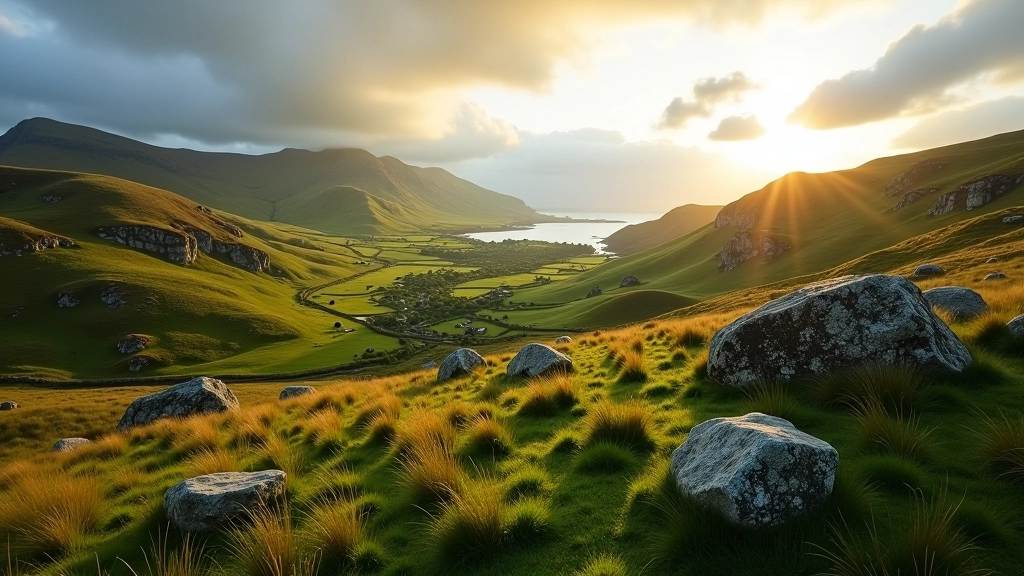
Leave No Trace Principles
If you're wild camping, you've got a responsibility to leave the place better than you found it. Leave No Trace isn't just a slogan—it's essential for preserving Ireland's natural spaces for everyone else.
The seven principles guide every decision you make. Pack out everything you pack in. That includes food scraps, toilet paper, and any rubbish. Don't burn anything or create a fire ring. Use a camping stove instead—they're lightweight, efficient, and won't scar the landscape.
Camp on durable surfaces like rock, gravel, or established sites. Never camp on fragile vegetation or near water sources. If you do need a toilet, dig a cathole at least 30 meters from any water. Respect wildlife by keeping your distance and storing food securely.
Essential Gear for Wild Camping
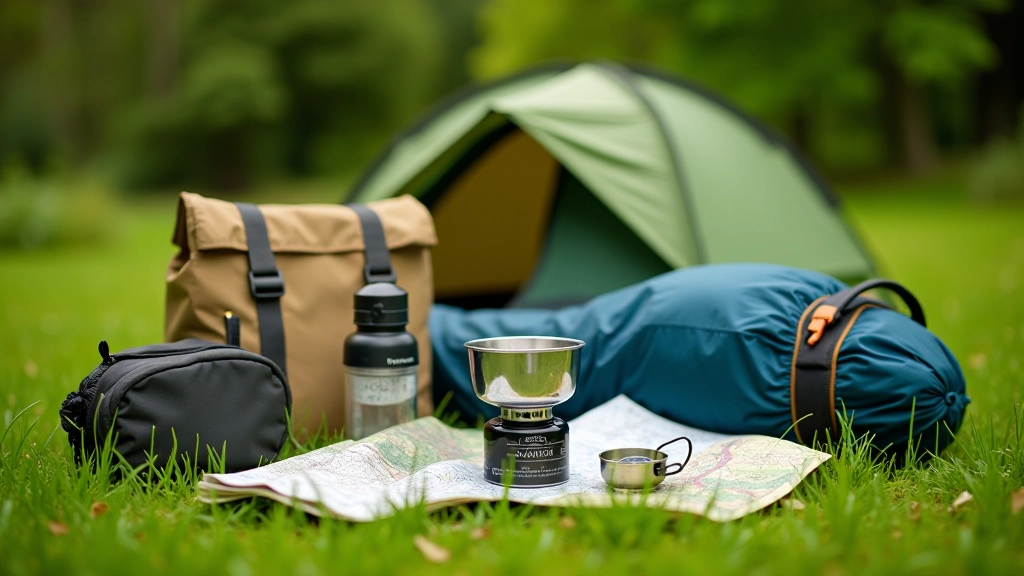
You don't need fancy equipment, but quality gear makes a real difference. We're talking about items that protect you from the elements and keep your camping experience comfortable without adding unnecessary weight.
Tent
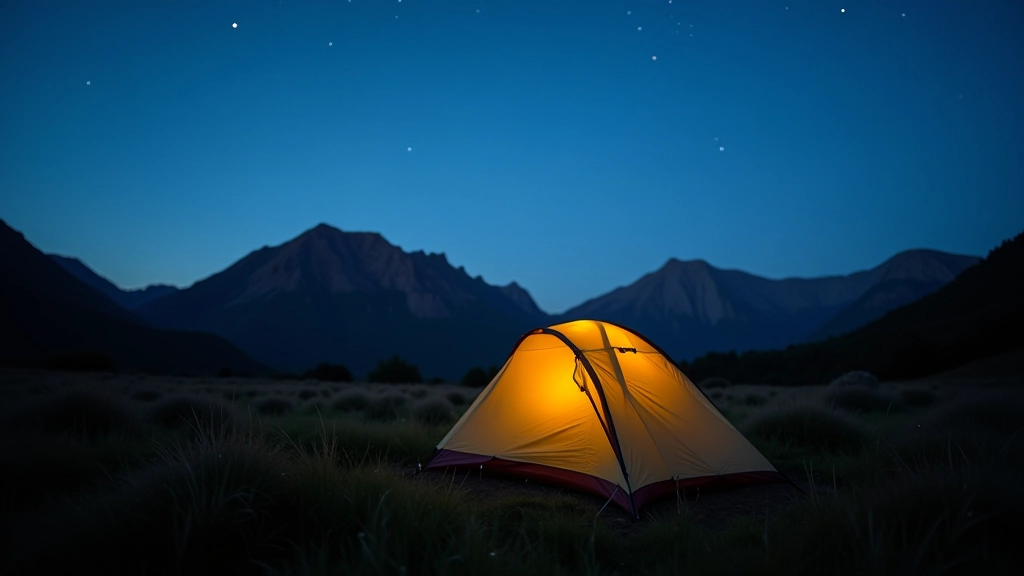
A quality 3-season tent with a good rainfly is non-negotiable. You'll face wind and rain—possibly both. Look for something lightweight (under 2kg) but sturdy enough to handle coastal weather.
Sleeping Bag
Irish weather's unpredictable. A 3-season bag rated to 0C handles most conditions. Down fills compress better, but synthetic keeps you warm when wet.
Water Filtration
Carry a lightweight water filter. Don't rely on stream water without treating it. Giardia and other parasites are real concerns in natural water sources.
Cooking Equipment
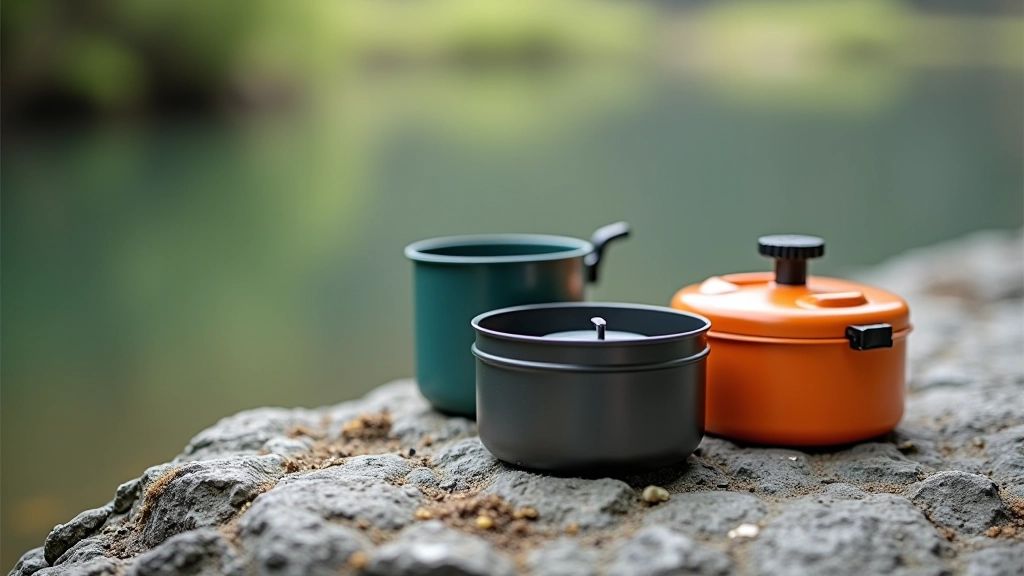
A compact camping stove, pot, and utensils are all you need. Avoid open fires—they leave scars and increase fire risk. Stoves are faster and safer anyway.
First Aid Kit
Pack blister treatments, pain relief, antiseptic, and bandages. You're away from medical help—preparedness matters. Include medications you personally need.
Navigation
Bring paper maps and a compass. Don't rely solely on your phone—batteries die. Know how to use them before you need them in bad weather.
Best Practices for Your Camping Trip
Planning makes everything better. Scout your location before you camp if you can. Check weather forecasts, understand terrain, and know what wildlife you might encounter.
Start your trip early. You'll want daylight to set up camp properly. Avoid camping right next to trails where other people walk. Set up at least 100 meters away from water sources—this protects the ecosystem and keeps your water clean.
Tell someone where you're going. Leave detailed plans with a friend or family member. Include your expected return date and emergency contact information. If something goes wrong, rescue teams will know where to look.
Pack a headtorch with spare batteries. You'll be amazed how quickly darkness falls in the mountains. Keep your tent organized—knowing where everything is matters when you're tired or the weather's turning bad.
Important Disclaimer
This article provides educational information about wild camping practices and legal considerations in Ireland. Camping regulations vary by region and change over time. Always verify current local laws and landowner permissions before wild camping. Weather conditions in Ireland can be severe and unpredictable—proper preparation is essential. The author and publisher aren't responsible for any incidents or legal issues resulting from wild camping activities. Outdoor activities carry inherent risks. Assess your skills honestly and consider hiring guides or joining organized groups if you're inexperienced.
Final Thoughts on Responsible Wild Camping
Wild camping in Ireland is absolutely worth doing—you'll experience landscapes most people miss. But it comes with responsibility. Respect the land, follow the rules, and leave no trace. These practices protect Ireland's wild spaces for future generations.
Start with shorter trips close to home. Build your skills and confidence gradually. Connect with other wild campers through online communities—they're usually happy to share local knowledge and tips. Ireland's wild spaces are incredible. Treat them with the respect they deserve.