What is Forest Bathing?
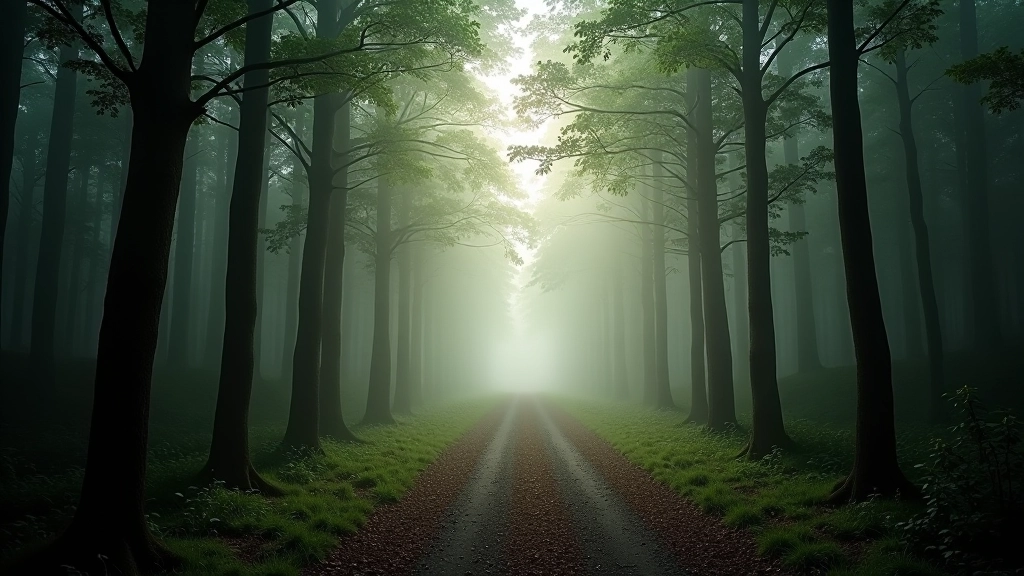
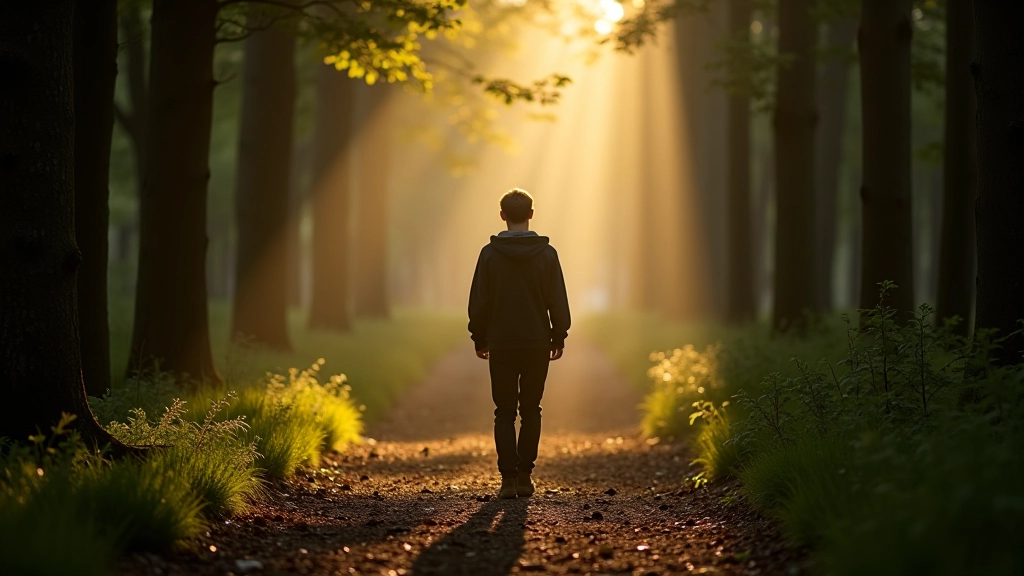
Forest bathing isn't about getting wet. It's shinrin-yoku — a Japanese wellness practice that means literally "taking in the forest atmosphere." You're not hiking for distance or summits. You're moving slowly through the trees, breathing deeply, and letting your senses absorb the woodland environment. It's been practiced in Japan for decades and there's actual research showing it reduces stress, lowers blood pressure, and improves mood.
Tollymore is perfect for this. The forest there isn't dense and claustrophobic. You get genuine immersion without feeling trapped. Streams run alongside many paths. The air smells right — earthy, alive. Most people finish a session feeling genuinely calmer. It's not meditation (though it can feel meditative), and it's not exercise (though you'll move). It's something different.
Getting Started: The Basics
You don't need special gear. Wear comfortable clothes you can move in — something you won't worry about getting muddy. Good shoes matter because you'll be on uneven ground, but they don't need to be expensive. Leave your phone on silent. Better yet, leave it at home or in your bag. The whole point is disconnecting.
Timing matters. Early morning or late afternoon works best when there aren't crowds and the light filters differently through the trees. You'll want at least 20-30 minutes. Some people do an hour. Start with what feels comfortable. The first 10 minutes usually feels a bit awkward — your mind's still chattering. By minute 15 or 20, you'll notice the shift.
- Choose a quiet trail
- Go early morning or dusk
- Minimal or no phone use
- Wear comfortable, practical clothes
- Budget 30 minutes minimum
Breathing Techniques That Work
This is where it gets practical. Your breath is the anchor. When you're walking, try breathing in for 4 counts and out for 6 counts. Don't force it. Let it be natural. Some people find counting helps. Others just focus on breathing deeper than usual. The point is slowing your breathing deliberately — it actually triggers your parasympathetic nervous system, the one responsible for calming you down.
When you're stopped (and you should stop sometimes), try breathing in through your nose for a full 5 seconds, then exhaling slowly through your mouth. You'll notice the forest smell differently each time. That's your senses waking up. Pine resin, damp earth, green plant life — these scents aren't just pleasant. They're part of what makes forest bathing work. Some studies suggest the phytoncides released by trees (natural oils they produce) have genuine health benefits when you breathe them in.
Important Note
Forest bathing is a wellness practice, not a medical treatment. While research shows it can reduce stress and improve mood, it's not a substitute for professional mental health care. If you're managing anxiety, depression, or other health conditions, continue working with your healthcare provider. Forest bathing complements healthy habits — it doesn't replace them. Always check weather conditions before heading out, stay on marked trails, and let someone know where you're going.
Best Trails in Tollymore
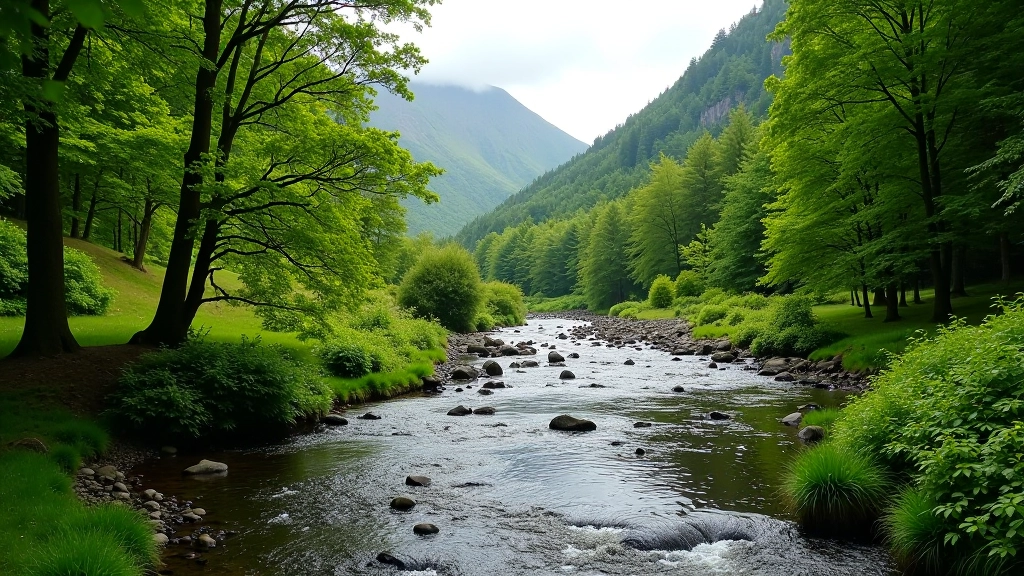
Tollymore National Park has several trails suited to forest bathing. The Shimna River Trail is probably the best starting point — it's not too demanding, the forest is dense without being oppressive, and the sound of the river adds another sensory layer. The walk takes about 45 minutes at a normal pace, but you'll move slower when forest bathing, so budget more time.
The Trassey Track is longer and more exposed in sections, but the sections that run through forest are excellent. You'll pass streams, open views of the mountains, and genuinely quiet woodland. Spring and autumn are ideal — fewer midges, better light. Summer's green but busier. Winter's stark and beautiful if you don't mind cold and mud.
Pro tip: Visit midweek if you can. Weekends bring hikers and families. Tuesday or Wednesday morning you'll have the forest to yourself. The car park fills up, yes, but the trails themselves stay quiet. That solitude matters for the practice.
Seasonal Timing and What to Expect
Spring (March-May) brings new growth and birdsong. The forest feels alive in a specific way. It's fresh. You'll notice more color variation. Spring rain means the ground's muddy, so waterproof boots help. But the smell after rain — that's when forest bathing really shines.
Summer's lush and green, but it's also when you'll encounter the most people. The heat can be oppressive on exposed sections. You'll get midges in some areas. That said, if you go early — 7 or 8 AM — you'll avoid both crowds and insects.
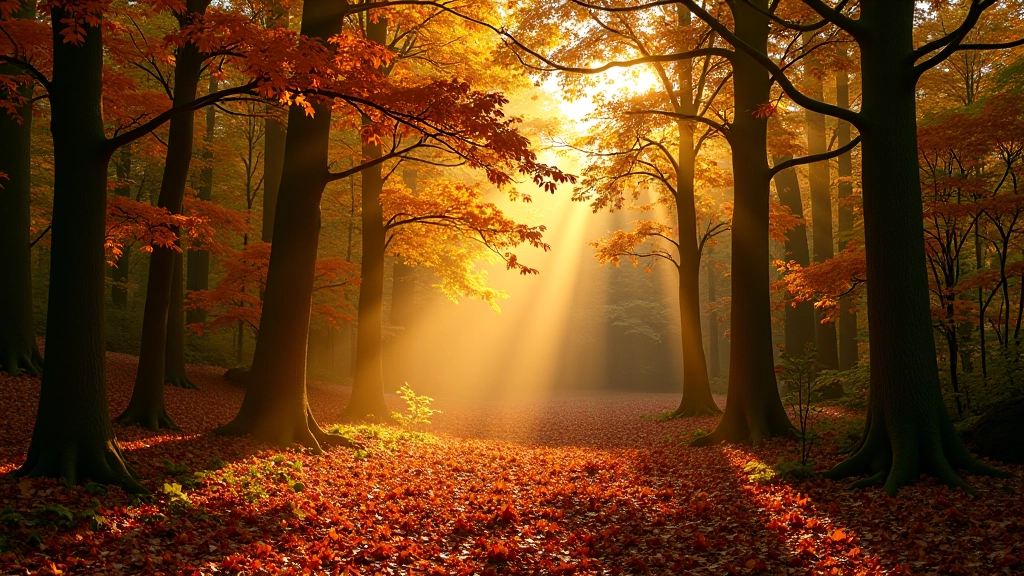
Autumn (September-November) might be the best season. The temperature's perfect for moving slowly. The light's different — golden, softer. Leaves are changing color. It's visually stunning and the forest feels calmer somehow. October's ideal if the weather cooperates.
Winter's stark. Fewer leaves means you see the forest structure — branches, trunks, texture. It's quiet. Cold air can be sharp and clarifying. You won't see another person. If you're comfortable in cold and mud, winter offers something special: genuine solitude and a completely different forest experience.
Making It a Regular Practice
The real benefit comes from consistency. Once a week is ideal. Some people go monthly. Even that's better than never. You don't need to travel far — even a small woodland works if that's what's accessible. The key is regularity. Your nervous system learns to shift into that calmer state more easily each time you do it.
You'll notice changes gradually. Sleep might improve. You might feel less irritable. Your thinking might feel clearer. These aren't dramatic transformations. They're subtle shifts. Some people keep a simple log: date, which trail, how they felt before and after. Not everyone needs this, but tracking helps you see the pattern and stay motivated to keep going.
Start Small, Notice Everything
Forest bathing doesn't require certification or special knowledge. You just need a forest — and Tollymore's got that. Pick a trail. Go on a quiet morning. Breathe slowly. Walk without rushing. Notice what you see, hear, and smell. That's it. Most people who try it once come back. Not because it's trendy or because someone told them to, but because they actually feel better. It's that simple and that effective.