


What Makes Wexford Slobs Special
Wexford Slobs isn't just any wetland — it's one of Ireland's most important bird habitats. This 2,400-hectare area of shallow lakes, reed beds, and mudflats sits along the Atlantic Flyway, the major migration route for thousands of birds moving between Africa and Arctic breeding grounds.
The habitat supports over 240 bird species throughout the year. Some stay permanently, others pass through for just weeks during spring and autumn migration. What you'll see depends entirely on when you visit — and that's what makes it endlessly fascinating.
Winter Visitors (November to February)
Winter transforms Wexford Slobs into a gathering place for thousands of wildfowl escaping frozen northern waters. You'll spot wigeon in large flocks — they're small ducks with distinctive chestnut heads and cream foreheads. Pintails are here too, elegant with their long necks and chocolate-coloured heads.
This is prime time for rarer visitors. White-fronted geese arrive from Greenland, sometimes numbering over 10,000 individuals. Whooper swans grace the deeper pools with their striking white plumage and black and yellow bills. December and January are your best months — that's when numbers peak.
Winter Essentials
- Warm waterproof clothing — you'll be standing still for hours
- Good binoculars with excellent light-gathering capability
- Arrive before dawn to catch early activity
- Visit after rain when mudflats attract feeding birds
Spring Migration (March to May)
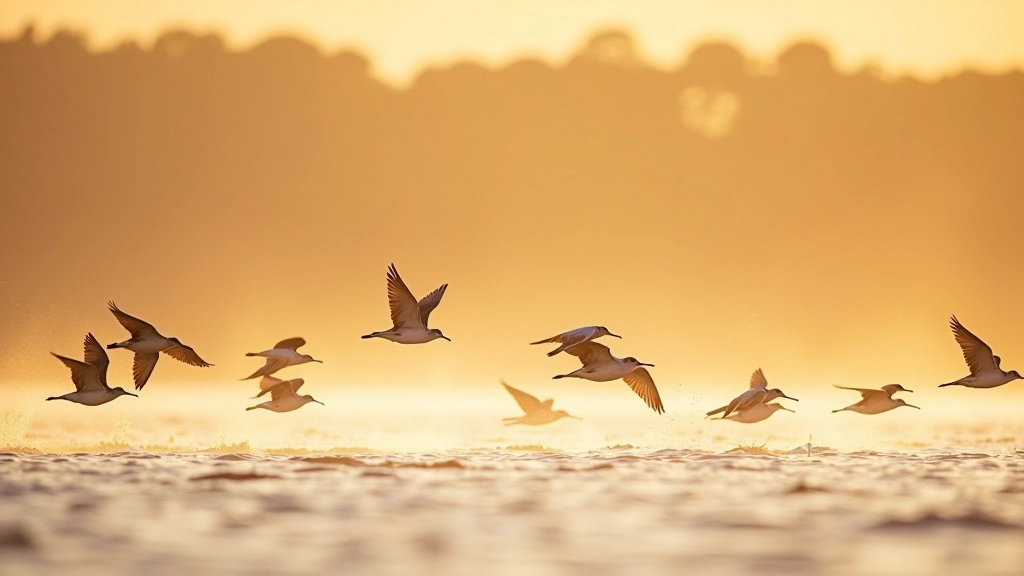
Spring brings chaos — the good kind. As temperatures rise across Europe, birds are desperate to reach their northern breeding grounds. Wexford Slobs becomes a refuelling station. You'll see species here that won't be visible again until autumn.
Warblers appear in the reed beds, their songs bouncing across the water. Ruff, a small shorebird with distinctive ruff-like neck feathers (in breeding plumage), gather on the mudflats. Terns arrive — elegant fishing birds that dive spectacularly for small fish. April is unpredictable but rewarding. On any given day, you might see 50+ species.
Summer Breeding (June to August)
Summer at Wexford Slobs is quieter but rewarding for patient watchers. The big winter flocks have departed, but resident and breeding species remain. You'll find lapwing nesting in the meadows — they perform dramatic aerial displays if you get near their territory.
Reed warblers sing from the reed beds from dusk onwards. Avocets — striking black and white waders with upturned bills — can be found breeding here. Late summer (August especially) brings early autumn migrants, so the variety starts increasing again. It's a transitional season that often gets overlooked but shouldn't be.
Autumn Migration (August to October)
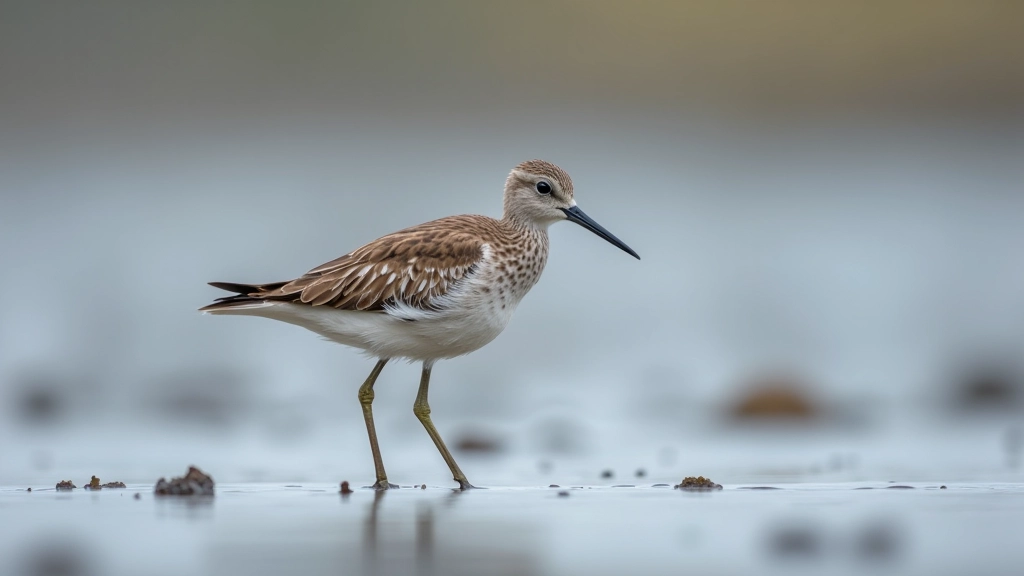
Autumn is the reverse of spring — birds heading south after breeding. The variety can be staggering. Dunlin, tiny shorebirds that seem impossibly fragile, gather in thousands. Greenshanks and other sandpipers probe the mudflats. Spotted redshank, dark-plumaged and elegant, pass through.
Late August into September is peak passage. You could easily see 80+ species in a single visit if conditions are right. The site becomes a birding pilgrimage destination during this window.